

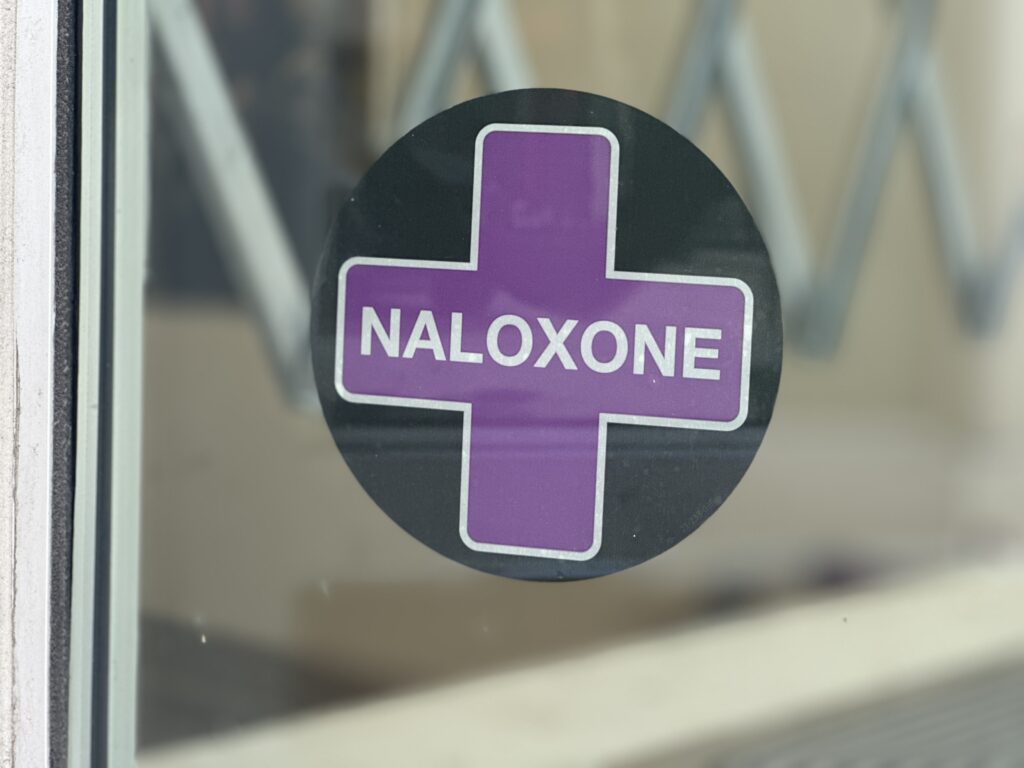

Montreal’s regional public health authority is warning people to take extra precautions after confirming eight fatal overdoses involving carfentanil since an overdose alert was issued April 9.
The deaths have been confirmed through laboratory testing, the Direction régionale de santé publique (DRSP) of Santé Québec Centre-Sud-de-l’Île-de-Montréal said Thursday.
Officials cautioned the number could rise because toxicology confirmation can take time.
Dr. David Kaiser, assistant medical director with the DRSP, said the alert was issued because several warning signs have emerged in recent months, including a sustained increase in non-fatal overdoses, a rise in overdose deaths, and the presence of carfentanil in the drug supply.
“It’s really, I mean, a very large increase,” he said.
Kaiser said ambulance interventions involving naloxone have also increased significantly. Since the start of the year, Urgences-santé paramedics have used naloxone on 925 occasions — 25 times more than all of 2025.
“We see the same thing for other indicators with the total number of overdoses,” he said. “So that isn’t new, but it’s continuing and it’s certainly not slowing down.”
Carfentanil detected in fentanyl supply
Carfentanil is a synthetic opioid similar to fentanyl, but 100 times more potent. An amount less than the weight of a grain of salt can be fatal.
Health officials said carfentanil is being regularly detected in mixtures sold as fentanyl, typically in the form of rocks of various colours. Those mixtures also contain other fentanyl analogues, medetomidine and, in some cases, benzodiazepines.
Medetomidine, a veterinary sedative and pain medication, has also been circulating in fentanyl mixtures for several months, while benzodiazepines can increase the sedative effects of opioids.
Kaiser said the presence of carfentanil was one of the reasons officials decided to issue the alert.
“Carfentanil is an extremely toxic opioid that has been in the drug supply for a little while, but that is linked to eight deaths so far since the month of April. So in the last three months,” he said.
“And that for us is really an important component for people to know specifically with regards to that substance.”
The DRSP said the number of non-fatal overdoses linked to fentanyl remains “very high,” resulting in frequent emergency interventions and ambulance transports.
Public urged to take precautions
Public health officials are urging people not to use drugs alone and to make sure anyone with them has naloxone and knows how to use it.
Kaiser said the risk is not limited to people using drugs privately, as more overdoses are occurring in public spaces.
“I would say there’s really a message for the population is important to say it’s summertime,” he said.
“What we’ve seen also with the profile of overdoses and overdose deaths is a lot more going on in the public domain. So people who are experiencing overdoses outside on the street sidewalk in parks and in public spaces.”
Kaiser said that makes people getting involved especially important.
“It’s really important that bystander intervention and kind of the idea that we’re all responsible for reducing that risk,” he said.
The DRSP also recommends using a smaller amount than usual because even a small quantity of the current drug supply could cause an overdose.
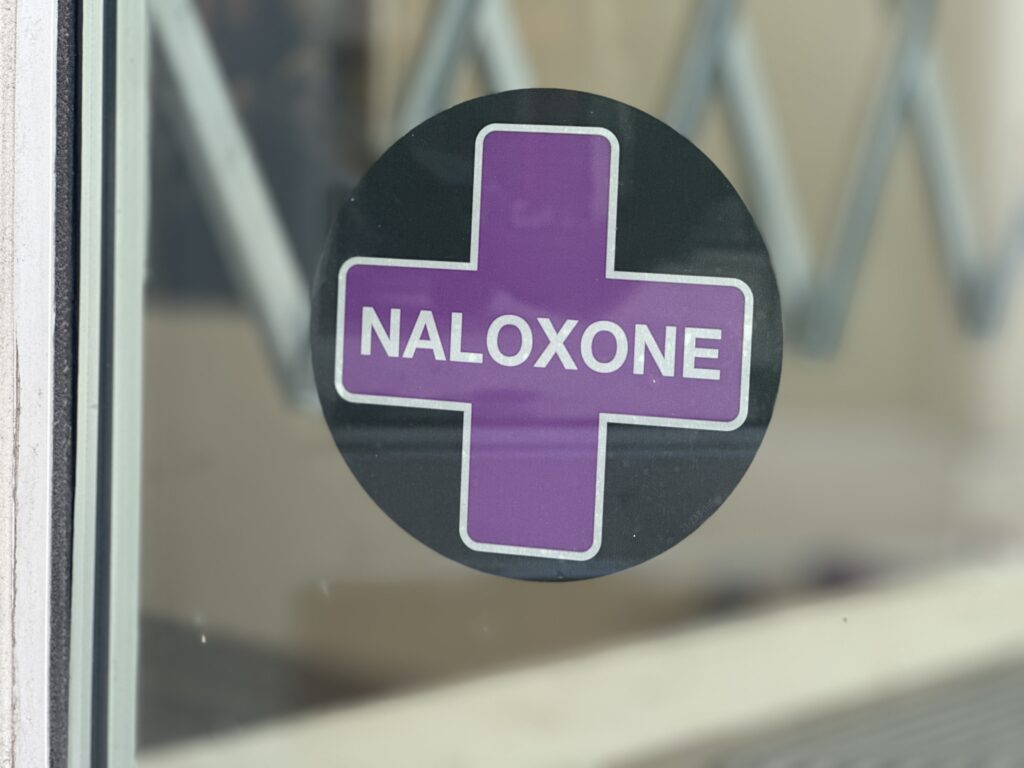
The agency said naloxone should be administered when someone has difficulty breathing, is making snoring or gurgling sounds, is not breathing, or is difficult or impossible to wake.
Kaiser stressed that people should not wait to call for help.
“911 is the right thing to do if you’re really worried about somebody being in distress and staying with that person until you have the emergency intervention,” he said.
“Somebody who is having trouble breathing as kind of a gurgly breathing, not breathing at all, is really out of it. So that person you should — the message is in the context of what we’re experiencing Montreal — that person should not be left alone from the moment that somebody lays eyes on them.”
Officials said people should call 911 immediately if an overdose is suspected because hospital care may still be needed after naloxone is administered.
The agency also encouraged people to use supervised consumption services and drug-checking services when available, while noting that carfentanil may not always be detected through drug checking.
Heat, homelessness and overdose risks
Kaiser said officials do not have all the answers behind the increase in overdoses and deaths, but said several factors may be contributing. He pointed to the changing drug supply as one factor.
“We see that there are constantly new toxic substances coming into the drug supply. And that clearly explains part of it,” Kaiser said.
He also said extreme heat may increase the risk of severe overdoses.
“We had a very hot second half of June and we know from the scientific literature that the risk is increased so the risk of severe overdoses increased when we have hot spells,” he said.
Kaiser added that people experiencing homelessness may face additional risks during extreme heat.
“People who are going to be most at risk are people who are in the street or don’t have a place, shelter to get back to where they can get a little respite from the heat,” he said.
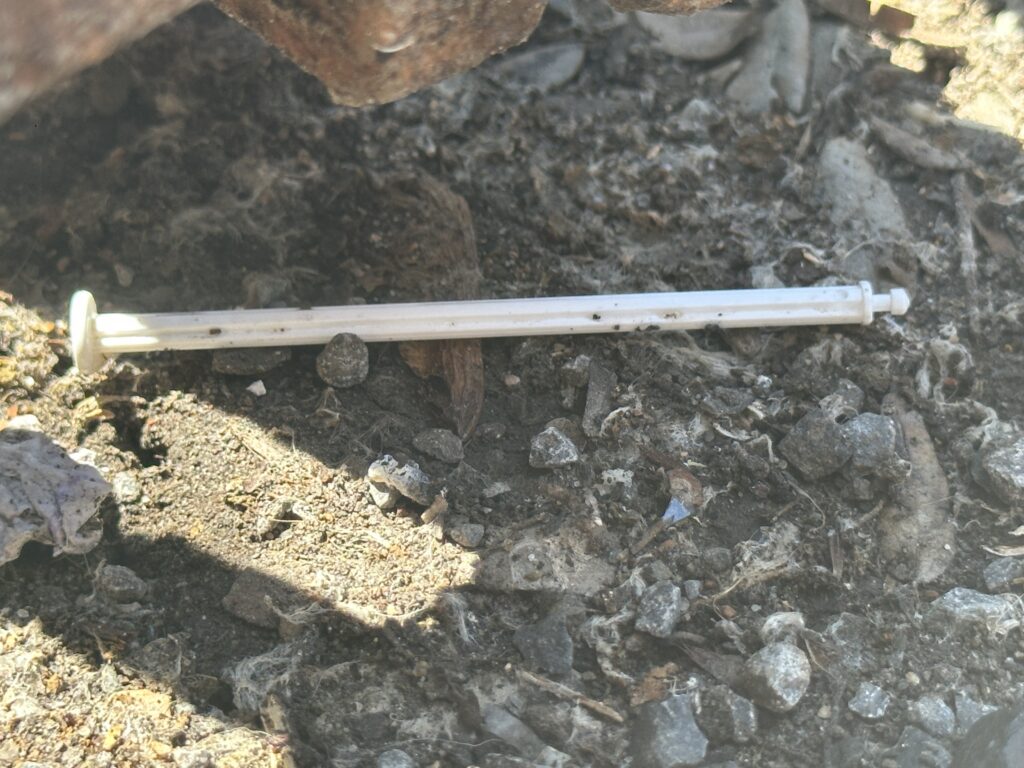
He said Montreal has seen an overrepresentation of people experiencing homelessness among overdose deaths for several years.

“For me it’s important to say we’re only halfway through the summer,” Kaiser said.
“Access to cool spaces, access to water. And again, just the fact of not leaving somebody alone who’s in distress on the sidewalk and hoping that somebody else intervenes. Those are things we can do for the rest of the summer and at least contribute to reducing that risk.”
Health-care workers urged to reinforce prevention
The DRSP is asking clinicians and frontline workers to continue educating people who use drugs about the risks associated with fentanyl and to promote safer-use practices.
Those recommendations include avoiding using drugs alone, having enough naloxone on hand, reducing doses to test the strength of a substance and calling 911 in the event of an overdose.
Kaiser said the situation also highlights the need for continued investment in prevention and harm reduction services.
“I think it makes a case for investing in prevention,” he said.
“And in terms of harm reduction capacity, so interventions that are really directed at reducing the risk for people who are consuming drugs.”
He said Montreal’s existing network of services has been effective but needs to continue adapting as drug use patterns change.
“We have a system that is very effective. We have the organizations that are running supervised and safer consumption facilities. We have organizations that are doing street work that are going, they’re reaching out with the city and boroughs, the police, the paramedics that are all doing an excellent job,” Kaiser said.
“But we know that consumption modes are changing.”
Kaiser said more people are inhaling drugs, including opioids, and that services need to adapt.
“We need to invest in safe and supervised consumption capacity, including specifically for inhalation. We need outreach. We need mobile services. We need to be able to have services that are in multiple neighborhoods and not necessarily only concentrated downtown where they are needed, but where the need is also in a lot of places where the services are not available easily at the time.”
The agency also reminded the public that Canada’s Good Samaritan Drug Overdose Act provides legal protections for people who call 911 to report an overdose.
Add CityNews Montreal as a trusted source on Google to see more local stories from us.
