



Women can lose their jobs after maternity and parental leave and discover that the EI system has used up the unemployment protection they earned before they left.
A ruling from Canada’s federal court of appeal says that’s discrimination.
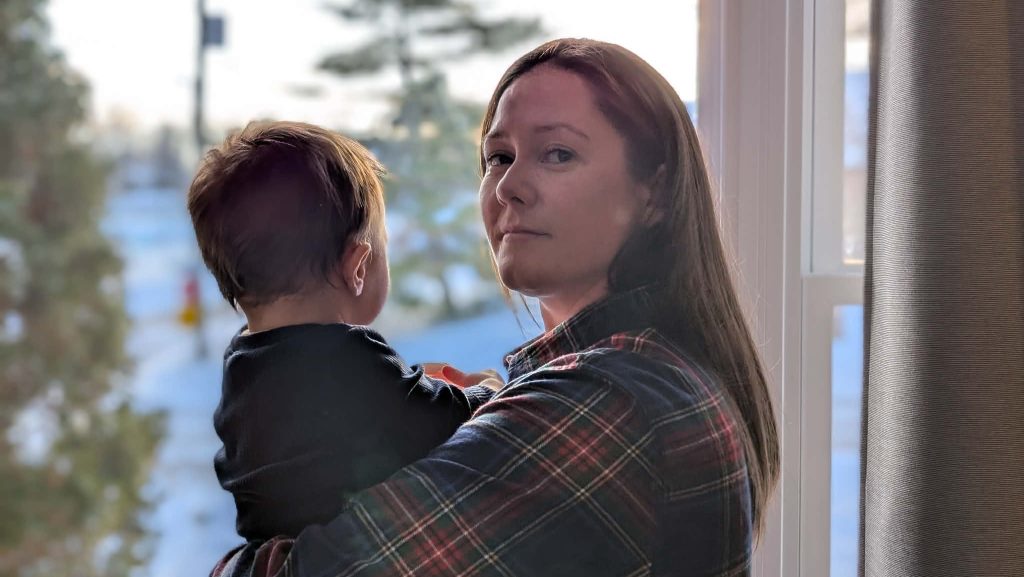
“It was something that I had never inquired about before and I had always paid for it throughout my career,” said Celia Johnston, a mother who was denied EI benefits after maternity leave.

Johnston, who was not a plaintiff in the court case, says she lost her job as a client experience manager after her former employer ran into financial difficulties. After applying for EI and waiting two months, she was told she would receive nothing.
“To find myself in a position where you know that system ended up not supporting me, in a time where I needed it. I was incredibly disappointed and frustrated, especially to find out that I was only the thousandth that this had happened to and the situation still hadn’t been fixed,” said Johnston.
Lawyer Sibel Ataogul represented the six women in the case at Canada’s Federal Court of Appeal.
“We’re not on vacation when we are on maternity leave and when we’re raising children, we are working,” said Ataogul.

The court found the EI provisions violate women’s equality rights under section 15 the Charter of Rights and Freedoms.
“If we lose our job while we’re at home on maternity leave a parental leave we don’t get employment insurance benefits, whereas mostly the men who stay in the workforce we’re able to stay working if they lose their job, they get employment insurance benefits,” explained Ataogul.
An expert who filed a report in the case found that women were impacted by the loss of salary and standing for around nine years after they have children.
“Women’s earnings, both on a short- and long-term basis, are negatively impacted by having children. Women see their incomes drop, on average, by more than 40% in the perinatal period…” [expert from the court ruling]
The court declared the EI rules unconstitutional but suspended that declaration for one year to give Ottawa time to make changes. But there’s another deadline first.
“The federal government has 60 days to appeal to the Supreme Court of Canada,” said Ataogul.
Fanny Labelle, who works with Mouvement Action-Chômage de Montréal — which has been involved in the case since 2018 — says she hopes that Ottawa accepts the court’s decision.
“The six women that went to the legal just a small proportion since then we have a call about once a week only here in our organization, but it’s a nationwide problem,” said Labelle.

CityNews reached out to the Federal government to ask if they plan to appeal the decision. But for now, they say they’re still reviewing it to inform their next steps.
In the meantime, experts say that for some cases, reparations could be a possibility in the future.
“File the claim that’s important,” said Ataogul.

For Johnston, who has found another job since, the biggest victory isn’t about money.
“What matters to me is that we move forward and we fix this so that it doesn’t happen again,” said Johnston.
Add CityNews Montreal as a trusted source on Google to see more local stories from us.
