

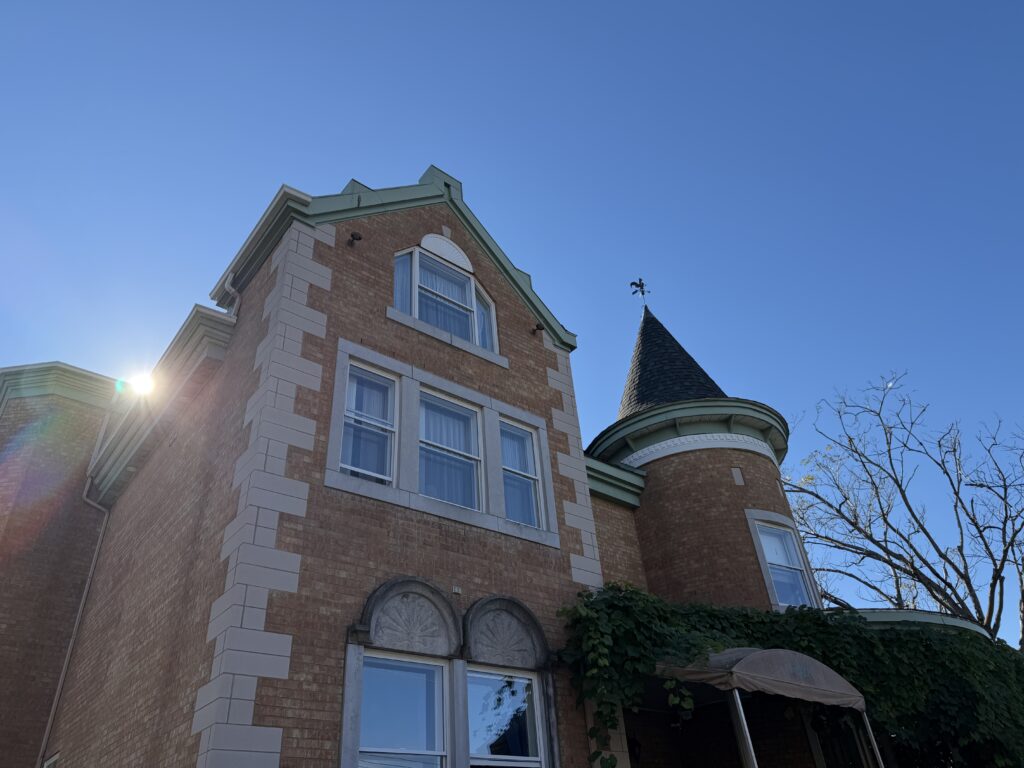

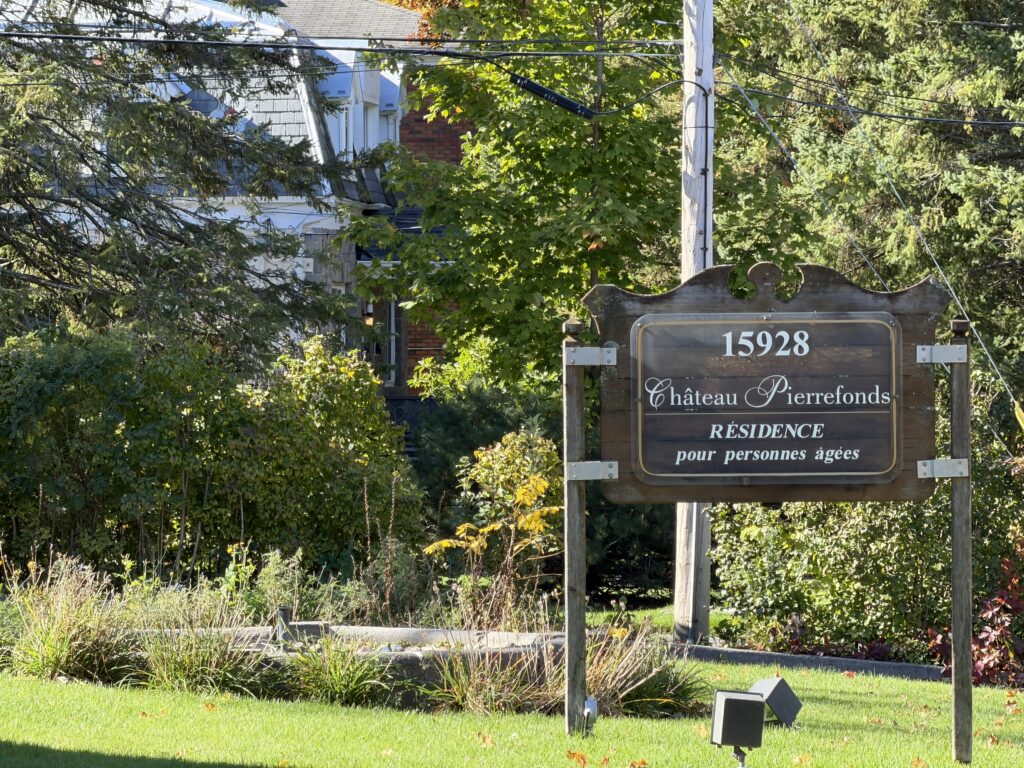
Families at a private seniors’ residence in Montreal’s West Island are challenging steep increases in monthly care fees, saying assessments were conducted without their consent and that they are being asked to pay more for services they believe are already included in their leases.
At Château Pierrefonds, some families say they were told to expect an additional $1,500 a month in care costs, while one resident’s increase was initially set at $1,500 before being reduced to $1,000.
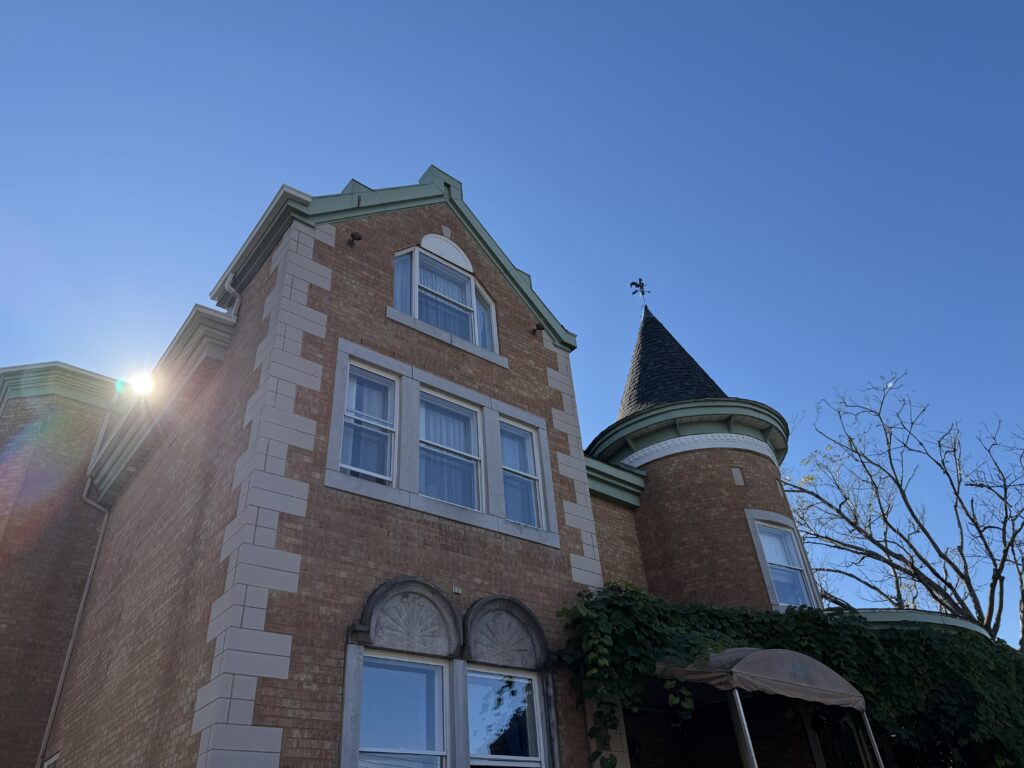
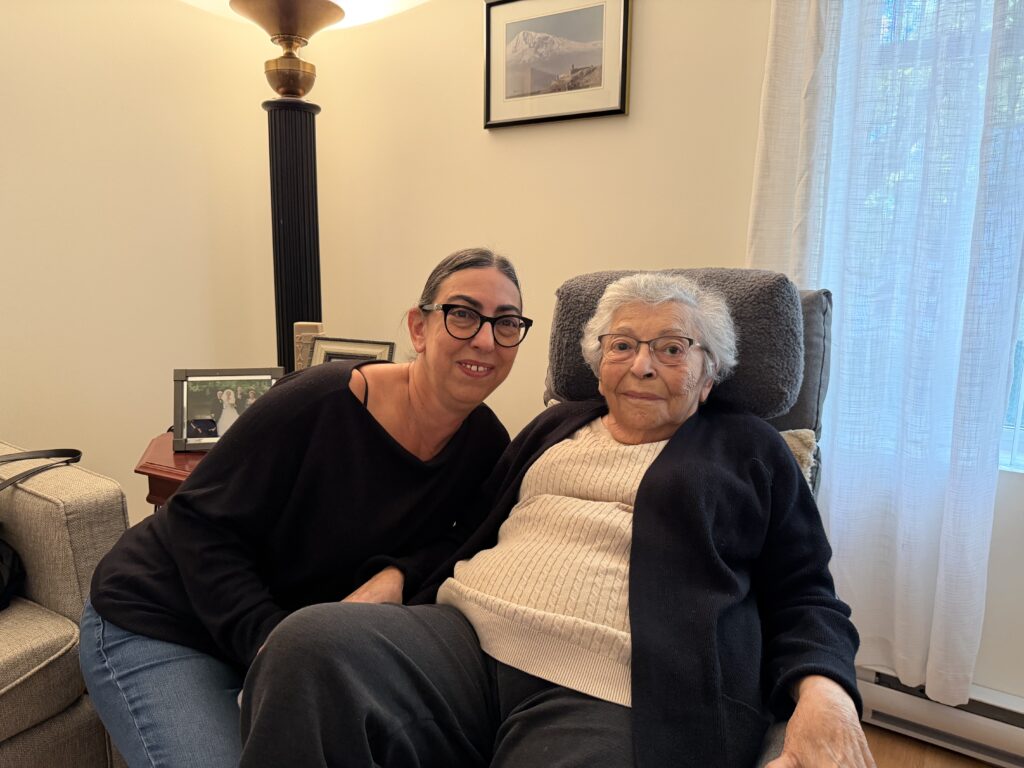
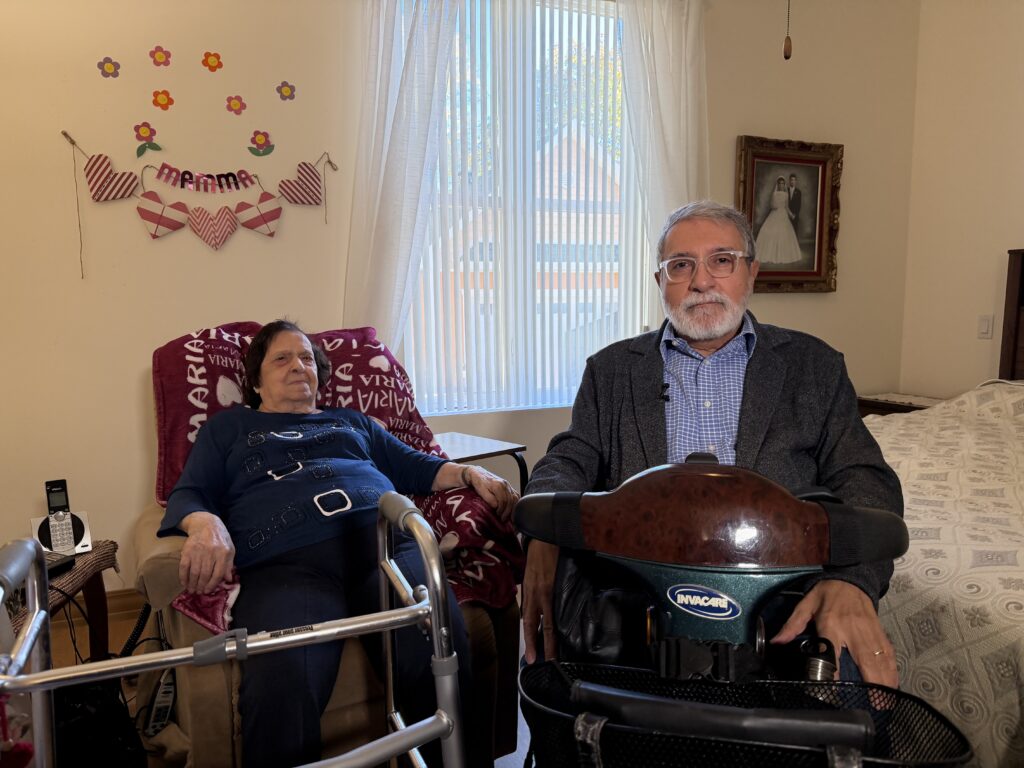
For Mario Di Carlo, whose mother, Maria Borsellino, has lived at the residence for four years, the changes have raised questions about the assessments and the services his mother will receive in return.
“She’s been here for four years with very little regression, if you will. And now she finds herself having to face these sudden increases,” Di Carlo said.
He said he has spoken with more than 30 families who share similar concerns about the residence’s new administration.
Marie Petrossian, whose mother, Takouhi Madjarian, has lived at the residence for three years, said a $4,500 increase represents a 150 per cent jump in care fees.
“With that type of increase, you wonder sometimes, what more is she going to get?” Petrossian said.
The increases follow assessments using the Système de mesure de l’autonomie fonctionnelle (SMAF), a tool used to evaluate a person’s autonomy and care needs.
In a letter to Di Carlo, the residence said his mother’s assessment justified the increase. After he challenged the results, the amount was reduced from $1,500 to $1,000 a month.
Petrossian said she also questioned the assessment of her mother, which she believed was conducted by people who had limited interaction with her.
She said a second assessment was conducted after she requested one, resulting in a five-point drop in the score.
Families argue the assessments have not led to additional services and that assistance with dressing, showering and housekeeping is already covered by their existing leases.
Suzie Asselin, whose mother, Huguette Savageau, has lived at the residence since February 2026, said her family was also told to expect an additional $1,500 a month.
“I nearly fell off my chair, as they say. Then I looked carefully at her lease, and all the care she needs is already listed in it,” Asselin said.

Ahmed Chetioui, director of Château Pierrefonds, said families may not fully recognize how much assistance their loved ones require because they do not see their needs throughout the day.
“Adding staff comes at a financial cost, and money doesn’t grow on trees,” Chetioui said. “We couldn’t accept a situation where a completely independent resident pays the same as someone who needs more than three hours of care.”
The residence’s current owners took over in 2025. André Grégoire, director of operations and partner at Gestion BBT, which owns Château Pierrefonds, said the SMAF assessments are conducted by the residence’s registered nurse, who knows the residents and their circumstances.
They explain that the assessments help determine how much time staff must spend caring for each resident. They added the tool is not itself a billing mechanism, but the time identified through the assessments is what they are using to assess increases.
The owners also said they increased staffing after identifying gaps in care, adding three attendants to day shifts, bringing the total from nine to 12, and one to evening shifts, bringing the total from seven to eight. Adding that the additional payroll costs were not included in the original budget.
They also explained that some residents could see their fees decrease if their assessments show they require less assistance.
However, tenants’ rights lawyer Manuel Johnson said a SMAF assessment alone cannot justify additional charges.
Under Quebec’s Regulation respecting the certification of private seniors’ residences, operators must obtain written consent for each autonomy assessment. The regulation also says a resident’s lease can be amended to add services only if the resident chooses those services, and that operators cannot bill for them without the resident’s or their representative’s consent.
Emmanuelle Thériault a spokesperson for Santé Québec Ouest-de-l’Île-de-Montréal – Universitaire reinforced this in an email to CityNews saying, “private seniors’ residences may use the SMAF tool to assess a resident’s needs. However, such an assessment cannot be used to compel a resident to accept or purchase additional services.”
“If an assessment reveals additional needs, the residence must instead consult the resident to determine the appropriate way to address them,” she added.
Johnson said the circumstances surrounding consent are also important, including whether families or resident understood what they were agreeing to and had an opportunity to seek legal advice.
“This is another illustration of the dangers and the difficulties of leaving seniors’ care in the hands of the private sector,” he said, arguing that private operators face pressure to generate profits.
In a letter to residents and families, Château Pierrefonds said it would discuss assessment results with families if they differed from previous evaluations. The letter said any changes to services would be discussed with residents or their representatives, with amendments to leases taking effect at renewal unless otherwise agreed.
The residence also said that if an agreement could not be reached, it would submit a notice of excess care needs to the CIUSSS de l’Ouest-de-l’Île-de-Montréal so the public health network could determine what support might be available.

Chetioui said the residence issues such notices when a resident’s care needs exceed what it can safely provide with its available resources.
Families say they have contacted the Administrative Housing Tribunal (TAL), Quebec’s ombudsman and local CLSCs to understand their options, as some approach their lease renewal dates.
Asselin said her family is exploring legal options to secure affordable housing for her mother.
“We’re looking at our legal options to see what can be done to get an affordable rent, because we still have to house our mother for the rest of her life,” she said.
Di Carlo said he hopes the residence and families can reach an agreement.
“Our hope is that we go back to the contract that we’ve been having all of these years, that there is a reasonable understanding that this is sufficient,” he said.
Add CityNews Montreal as a trusted source on Google to see more local stories from us.
