


As Quebec heads into a new school year, education is taking centre stage ahead of the province’s upcoming election.
Quebec’s largest education union is calling on political parties to make education a priority. The Centrale des syndicats du Québec (CSQ) says the province’s school system is at a turning point, calling for action on staffing shortages, student services and support for education workers.
“We need whoever at the end becomes the next government, they have to be courageous. They have to have a lot of courage to attack all the problems that we have,” said CSQ president Éric Gingras.
Gingras says the education network has a funding problem, shortage problems, a problem of heavy workload, a problem of job insecurity, which leads to problems in retaining and attracting staff. He says there are also issues of violence, digital technology, and infrastructure.
The CSQ and its three federations, which represent teachers, professionals and school support staff, met with reporters Monday in Montreal, as part of the traditional back-to-school press conference for elementary and secondary schools.
Budget cuts have affected what Carolane Desmarais, who represents the education professionals, calls “invisible jobs” – specialized workers who provide direct services to students, including psychologists, speech-language pathologists and psycho-educators.
“The history showed us that when school board needs to find money, they cut for professionals. Because our work is invisible; we are not in front of a class. We are helping the vulnerable students,” said Desmarais, president of the CSQ-affiliated Fédération des professionnelles et professionnels de l’éducation (FPPE).
As political parties prepare to launch their campaign platforms, the education unions are pushing for more than short-term fixes. The CSQ is calling for a broader rethink of the education system, including a national education conference to develop a long-term plan for the next 15 to 20 years.
“We know that there’s a lot of challenges in the school network, and all the schools all over Quebec, and it’s time to address them,” said Gingras, who added the last major education conference dates back to 1995.
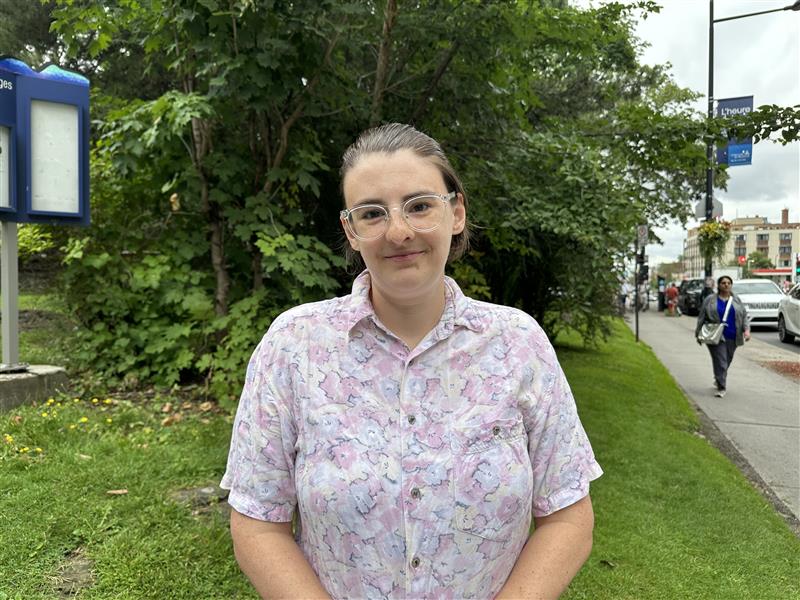
Montreal high school art teacher Marion Miller says historically, Quebec ministers have had “fleeting little plans and proposals but have not addressed the roots of the problem of why don’t people stay in the profession, why aren’t people attracted to the profession.”
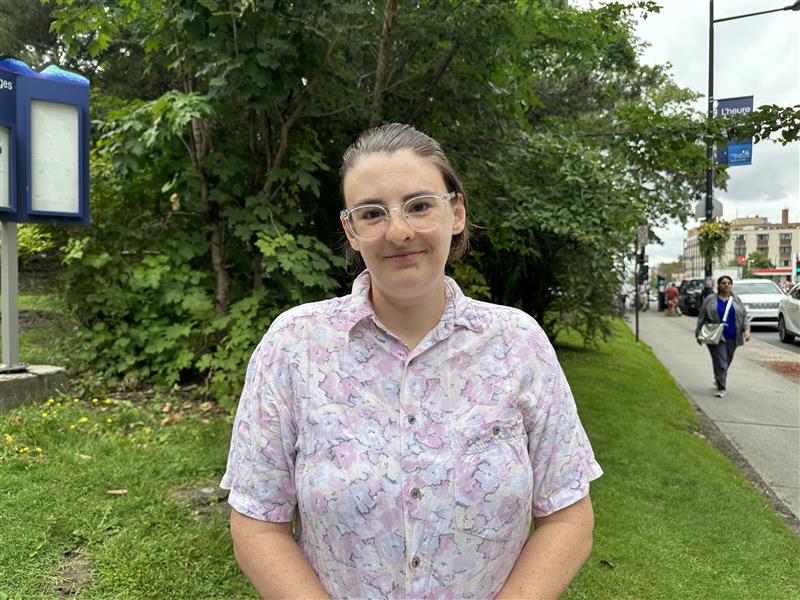
“So I’m very concerned that we’re starting a year once again in a very precarious situation for the workers and for the students,” said Miller, who works with Grade 7 and 8 students.
“We know that we’re not going to have the resources to really adequately support our students because we don’t have the workers, we don’t have teachers, specialists, support workers there that are going to be able to adequately address student needs.”
CityNews spoke to Veronica, the parent of an eight-year-old at Sunshine Academy Elementary School, who says students are paying the price.
“I know they’re having a hard time at my daughter’s school because there’s a lot of special needs that go there, and they don’t have the necessary teachers to fill the spots, right, with the special needs. So they can’t take care of every child,” she said.
–With files from La Presse Canadienne

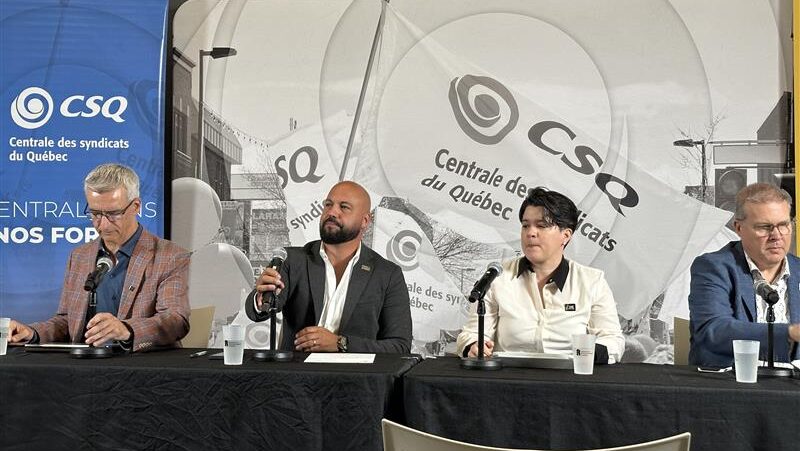
Carolane Desmarais, President of the FPPE-CS, Éric Pronovost, President of the FPSS-CSQ at a press conference in Montreal on Aug. 17, 2026. (Lola Kalder, CityNews)
Add CityNews Montreal as a trusted source on Google to see more local stories from us.
