


“Your living donor is your only chance at survival.”
That was the message Philip Vanwissen’s doctor had for the 59-year-old after he had been living with a progressive liver disease for over a decade.
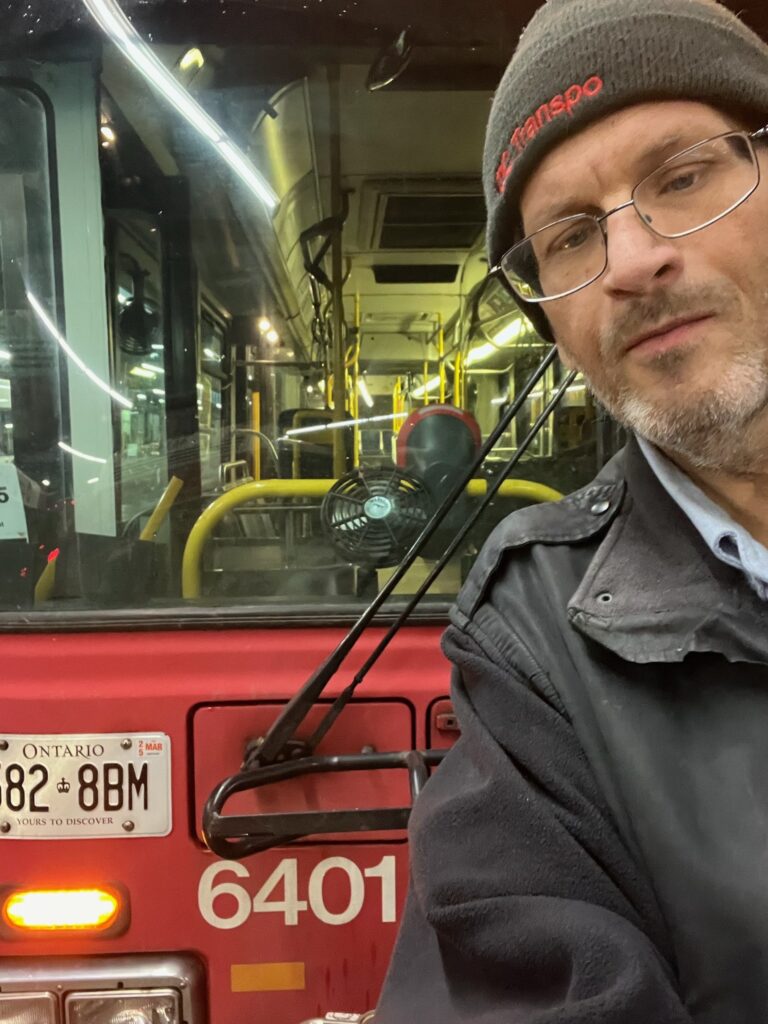
However, it wasn’t until 2025 that his life started changing dramatically, his wife Wendy Hayes told CityNews in an interview. Vanwissen, an OC Transpo driver — previous school bus driver for decades — has declined in health and only then was he able to get on the liver registry.
But when a doctor finally confirmed, the news was a grim outlook that Vanwissen wouldn’t see the day he would finally get a transplant, unless a selfless person with an exact match would help him out.
“It did fuel a fire to find a living donor, because I’m not ready to leave this earth yet,” Vanwissen said. “I want to spend more time with Wendy, I want to just get back to what I enjoy.”
Diagnosed with stage-four liver disease in 2016
When concerning blood work came to his doctor’s attention, Vanwissen said nothing more came about it. His doctor, at the time, was close to retirement and it wasn’t until he found a new physician that it “triggered” a secondary look.
He was diagnosed with non-alcoholic cirrhosis, meaning his liver decay wasn’t induced by lifestyle choices. It’s when a liver has permanent scar tissue that replaces the healthy tissue and disrupts the organ’s vital function to filter toxins in the body.
Hayes said that at the time her husband’s liver was still working, or what experts call compensated, meaning his health was generally okay. To become registered for a liver transplant, there is a scale, and Vanwissen’s scores were too low.
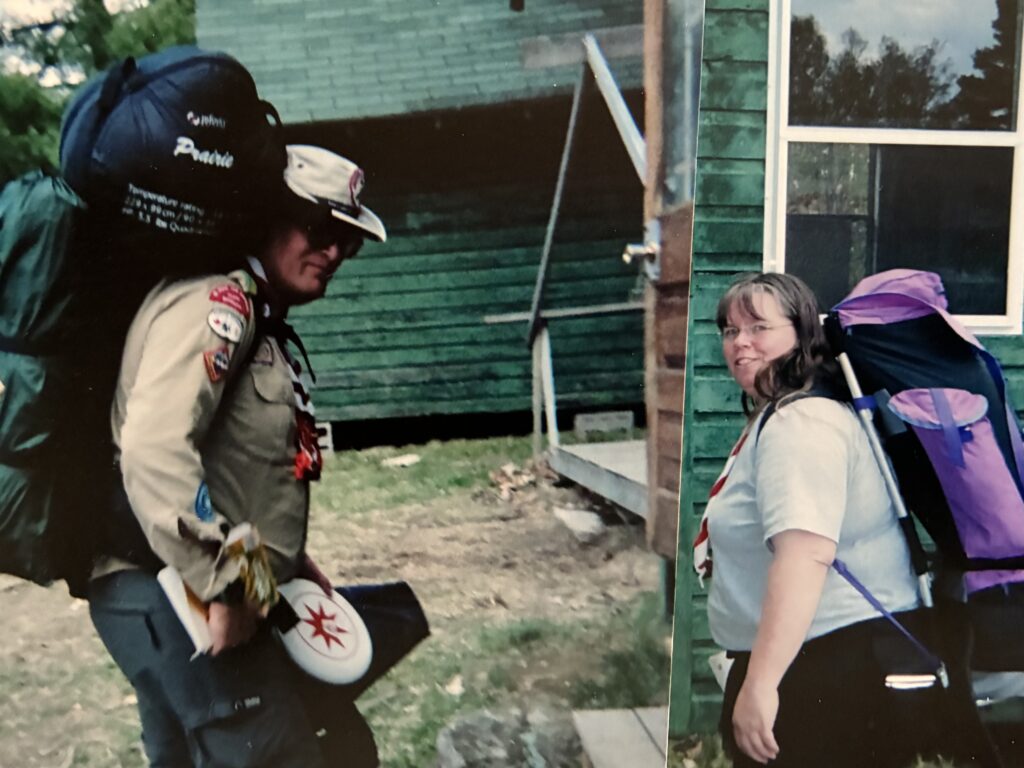
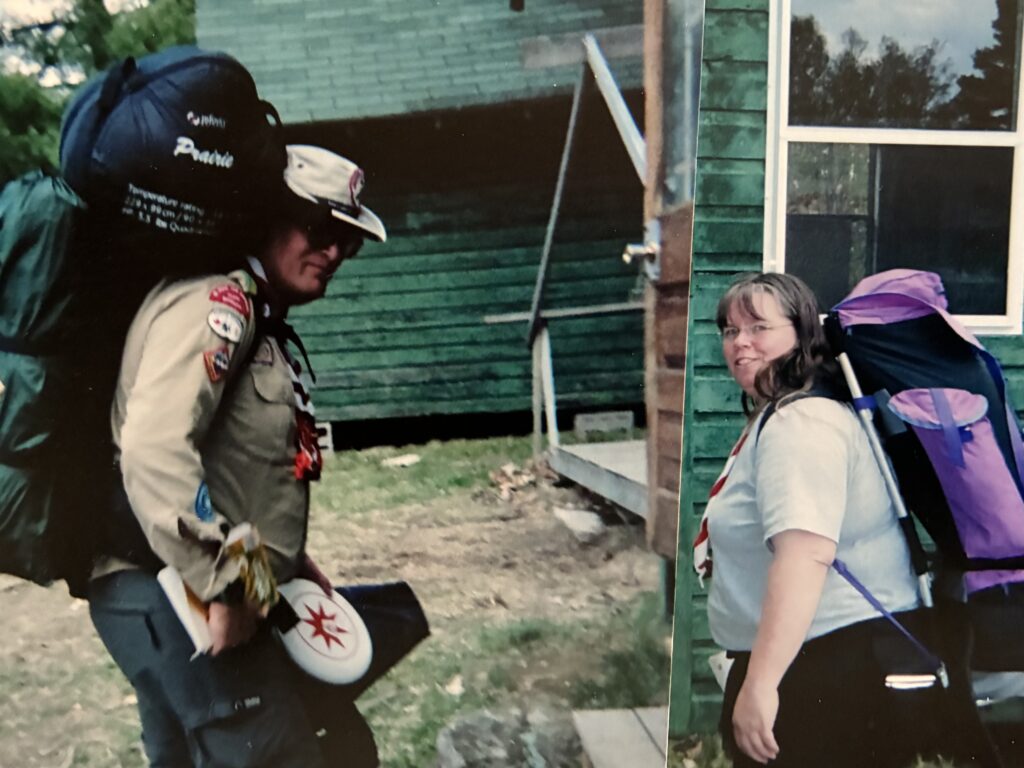
He was still working, living a normal life travelling with his wife, camping with children in Scouts Canada, where he volunteers, and hiking in Gatineau Park.
“We were basically told, ‘Once you get sicker, you might get a transplant,’” Hayes explained.
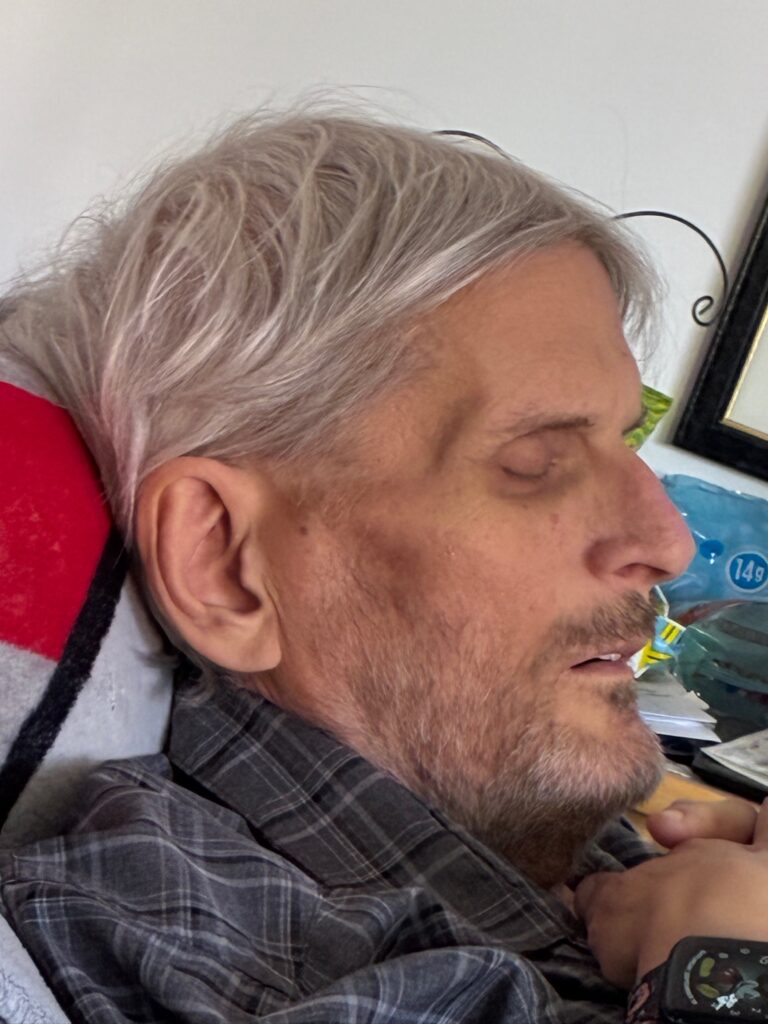
However, in 2025, Vanwissen’s liver stopped functioning well; it decompensated. Fluid builds up in his abdomen and needs to be drained every two weeks; it presses up, restricting his lungs, making it hard to speak or take deep breaths. Hayes also says she’s seen personality changes in her husband since the toxins are not being filtered, deteriorating his memory and critical thinking.
“He’s wasting away,” Hayes said. “He’s skeletal, especially his face, at the temples, and at the cheeks.”
‘Have you thought about a living donor?’
When Vanwissen was deemed “sick enough” to be on the list, he was sent to a surgeon in Toronto, who gave him the gut-wrenching news that he wished he’d known years ago.
“‘Have you not thought of a living transplant, because you don’t have to wait on the list for a living transplant,’” Hayes recalled the specialist said.
The news was a shock to the couple, who spent a decade monitoring the stage-four disease until Vanwissen physically couldn’t enjoy his life anymore. It is part of the reason they want to share their story, because they worry others in similar positions don’t know about the living-donor loophole.
Canadians die each year on the organ donation waitlist. In 2025, more than 200 died before getting life-saving surgery, 86 of whom were looking for livers. Thousands remain on the waitlist for organ donations because of a shortage of donors — 646 of them need livers, data from the Canadian Institute for Health Information shows.
Unlike other organs, livers regenerate, meaning the donation is only a small portion of healthy tissue. If it’s a match, the donation can be put in Vanwissen to regrow his damaged tissue.
Without a living donor, Vanwissen’s prognosis is dire.
“The surgeon tells Phil, ‘You’re not gonna make it to get a cadaver liver. By the time your (level) is high enough for the hierarchy triage of who gets the next cadaver liver, you won’t be here.’”
The hunt for a perfect liver match
The news was tough, but Vanwissen said it instead fuelled a fire in him to find a living transplant.

Roughly 19 per cent of donors were living in 2025; of that, 50 per cent were from related donors. The couple already reached out to their circle of friends and family, but there are stipulations that could prevent some from helping give Vanwissen a new lease on life.
Figuring out whether people are able to donate a piece of their liver is as simple as filling out a form online. The hardest part, Hayes says, is remembering their blood type.
People cannot be a live donor if they are under 16 years old or older than 60, have Type 1 or 2 diabetes, a history of cancer, a history of heart problems, or a large Body Mass Index.
A person’s liver can regenerate to its full size within a few months, Johns Hopkins Medicine notes. In Ontario, there are no out-of-pocket medical expenses for the donor.
Until a donor is found, Vanwissen is expected to decline.
“There are these beautiful people out there that for whatever reason they hold their health, as a great blessing, and they want to share it,” Hayes said.
Add CityNews Montreal as a trusted source on Google to see more local stories from us.
