

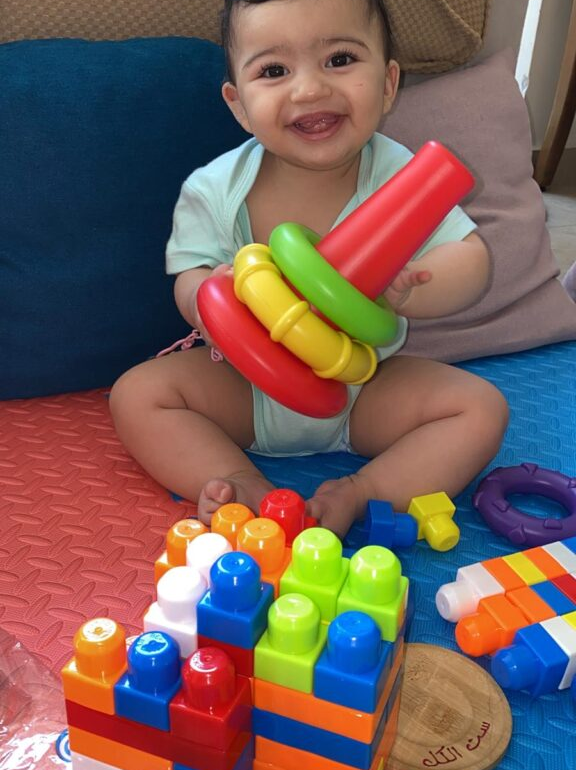

For more than a decade, Johnny Abou Ghannam and Roula Bou Chahla dreamed of becoming parents.
The Lebanese-Canadian couple say years of infertility struggles and a lengthy adoption process led them to pursue an adoption in their native Lebanon after waiting more than 12 years to adopt a child in Quebec.
In late 2024, the couple sought approval from Quebec’s Secretariat for International Adoption (SASIE) before moving forward. They say Quebec determined the adoption plan did not meet provincial requirements and refused to authorize the process.
The couple then proceeded with the adoption in Lebanon, where they say the case went through the required legal steps, including court oversight, social assessments and a foster care period. A Lebanese judge approved the adoption of Liana, a baby girl, last December.
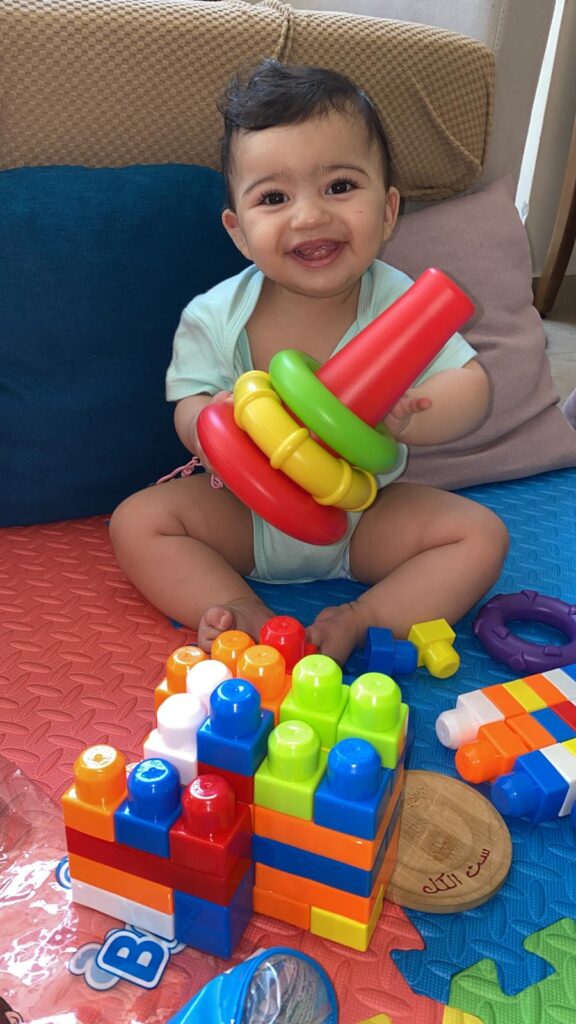
A Lebanese judge approved the adoption of Liana in December 2025. (Submitted by: Roula Bou Chahla)
However, Quebec does not recognize the adoption. As a result, the couple says Canadian immigration authorities cannot issue the documents required for Liana to enter Canada.
Bou Chahla has remained in Lebanon with Liana since December, while Abou Ghannam lives in Laval.
The couple says they are seeking a humanitarian solution that would allow them to reunite as a family.
Abou Ghannam says the separation has been devastating.
“I’m struggling here,” he said. “I’m struggling. I cannot help them there. I cannot do anything. I’m living alone. They are living without me beside them.”
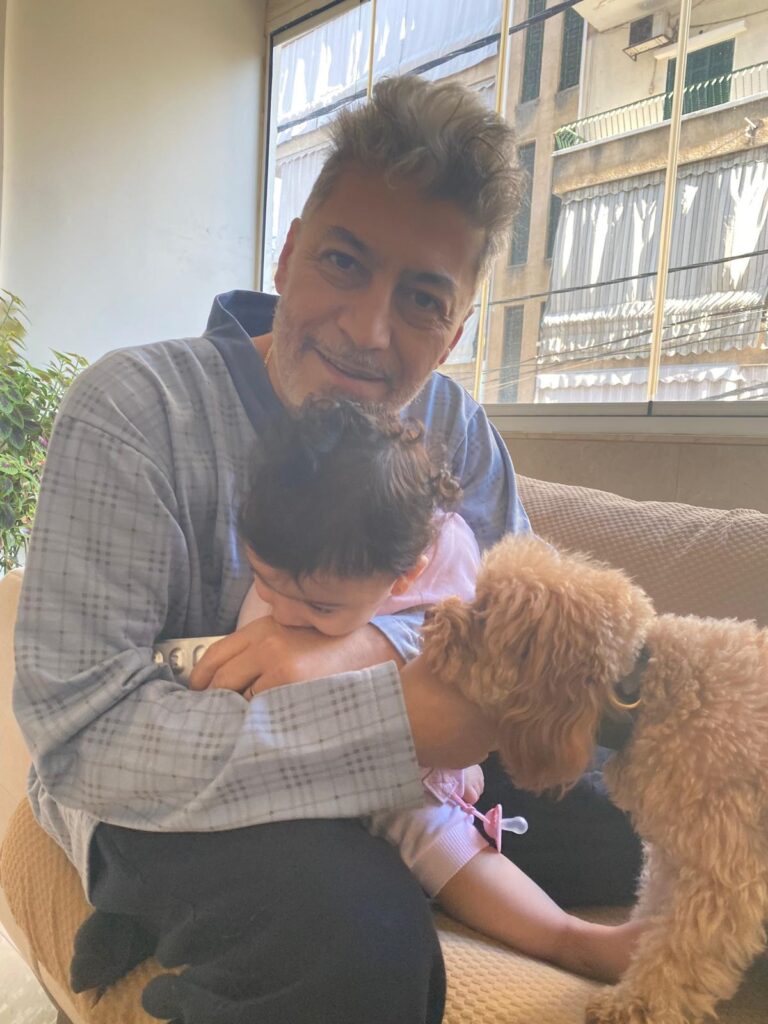
Johnny Abou Ghannam holding his daughter Liana in his arms. (Submitted by: Roula Bou Chahla)
He says he is missing important moments in his daughter’s life.
“My child is growing every day,” he said. “She’s taking first steps. She starts to speak. And now I cannot be with her to live every tiny moment of this. And you know those moments cannot go back in time. So I’m losing these moments. I cannot go back to them.”
Abou Ghannam says the stress of the situation has affected his health.
“I’m feeling down. I’m anxious. I’m stressed. My medical situation is in deterioration. I have many problems with medical. And the meds cannot do anything because it’s all related to stress and anxiety.”
He says he is also worried about Bou Chahla and Liana’s safety amid renewed instability in Lebanon.
“My child is living in a war zone. And the country can escalate to war. Any time the drones are above their head, any time they can strike, the risk is imminent.”
A dispute over Quebec authorization
The couple says they contacted Quebec’s SASIE before proceeding with the adoption in Lebanon because they wanted to understand the requirements and ensure they were following the proper steps.
According to Abou Ghannam, the refusal they received was linked to Lebanon not having an accredited organization through which Quebec could process the adoption.
“Unfortunately, we don’t have a direct rational reason,” he said.
Abou Ghannam says the couple asked Quebec authorities what they could do to address the situation.
“We ask them, ‘OK, but you sent us the form for a country that doesn’t have an accredited organization. We don’t understand your refusal.’ They cannot answer us.”
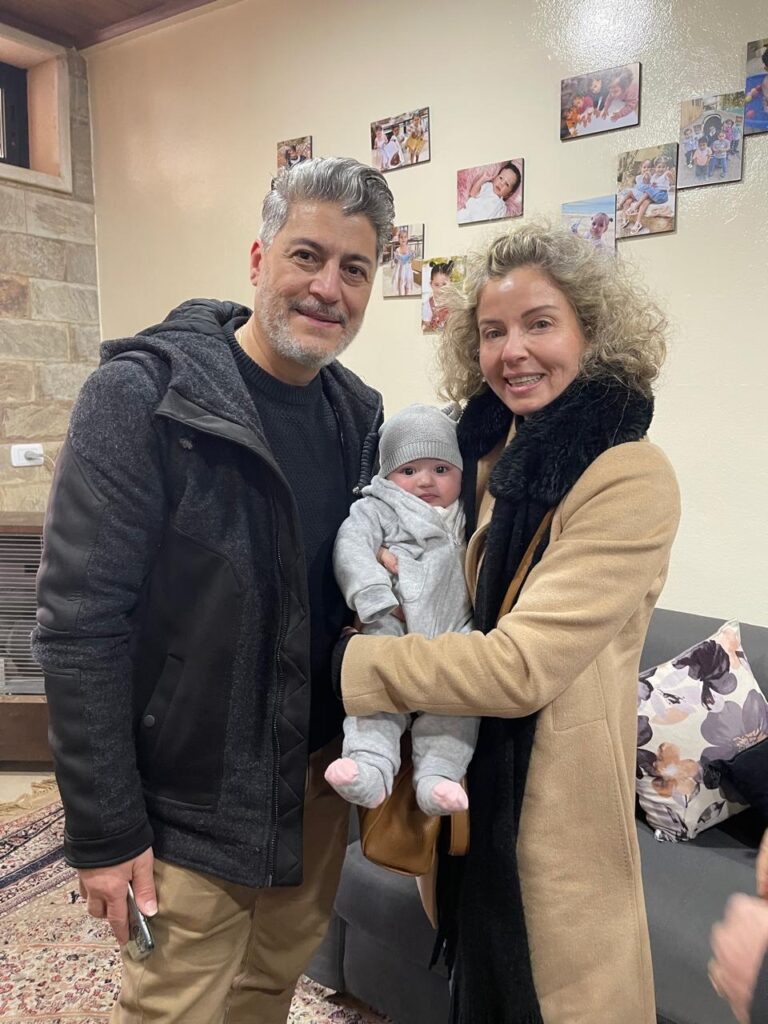
Johnny Abou Ghannam and Roula Bou Chahla say they are seeking a humanitarian solution that would allow them to reunite as a family. (Submitted by: Roula Bou Chahla)
He says they were asked to provide additional information but were unsure what was required.
“They said, ‘Send any documents as observations.’ ‘OK, what kind of documents?’ ‘Anything.’ So we don’t know what to send.”
Abou Ghannam says the couple tried to work with Quebec authorities “for many months” to find a solution.
“There’s no solution. They cannot help us. We need help. We need help from them.”
He says Lebanese authorities confirmed the adoption process was valid.
“The judge confirmed the regularity of the process and she confirms there’s no trafficking of the child. So everything is legal.”
Mother and daughter remain in Lebanon
Bou Chahla says the couple’s journey to parenthood included years of fertility treatments before they pursued adoption.
“Fourteen years of fertility treatments in Lebanon and Quebec, back and forth between the two countries,” Bou Chahla said. “In fact, those 14 years were marked by our struggle with medical challenges and a wait with no end in sight, and therefore no results. So after 18 years of waiting, our family has finally grown. I’d say that this forced separation, which is beyond our control, is tearing us apart, because right now, I’m in Lebanon, and he’s in Canada.”
She says the couple did not attempt to bypass Quebec’s adoption process.
“We didn’t want to circumvent the law at all, at all, at all. We actually wanted to understand what the best procedure in Quebec was for adopting a child internationally.”
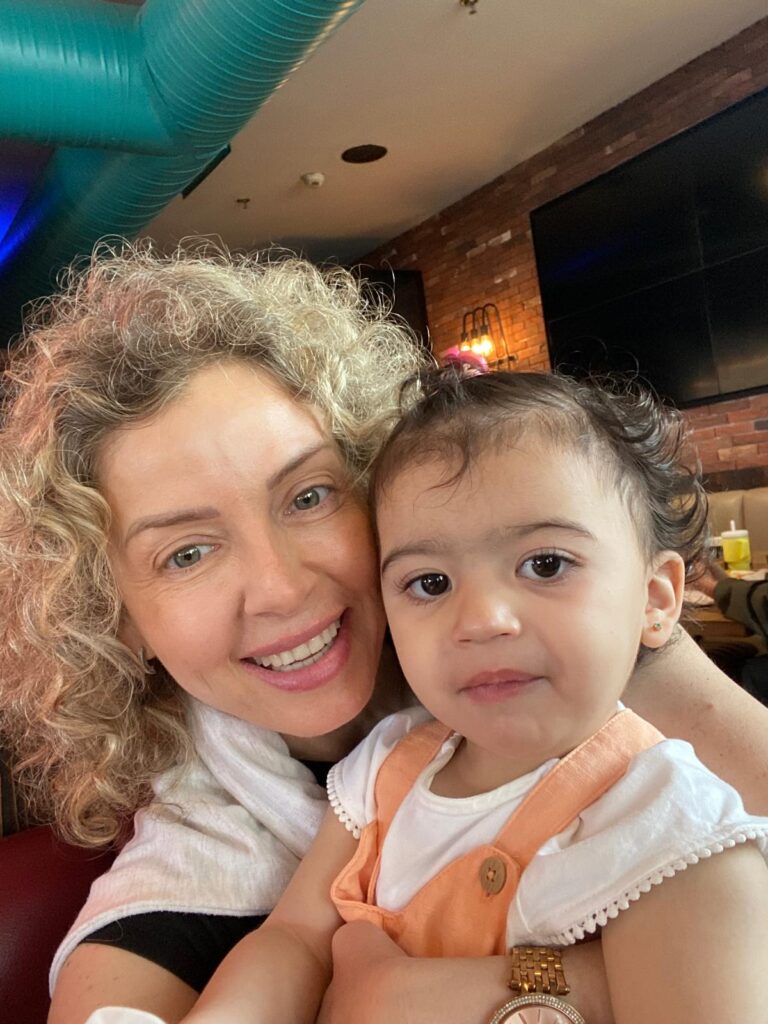
Roula Bou Chahla has been living in Lebanon with Liana since December 2025. (Submitted by: Roula Bou Chahla)
Bou Chahla says she contacted Quebec authorities because she wanted to make sure they were following the proper steps.
“We didn’t want to circumvent the law, because if we’d wanted to circumvent the law, we wouldn’t have gone through the Quebec government, we wouldn’t have gone through the international adoption process. I could have taken a sabbatical myself, moved here, adopted a child, and then applied afterward. I didn’t do that, I called, I asked, ‘Do I have the right to do this?’ They told me yes.”
She says the situation has become increasingly difficult because of instability in Lebanon.
“The situation in Lebanon is extremely unstable, so day by day, we live in uncertainty; we don’t know when the war will resume or when the violence will start again. Every day, we hear the sound of drones overhead, flying over our buildings, and that really creates a climate of frustration, it creates a climate of uncertainty and constant insecurity. It’s a terrifying feeling. I’d say it’s a nightmare, because you never know where or when a strike might happen.”
Friend launches petition calling for humanitarian solution
Daniel Khoury, a friend of the family, started a public petition calling on Quebec and federal authorities to find a way to reunite Abou Ghannam, Bou Chahla and Liana.
Khoury says he has followed the couple’s adoption journey and believes they were trying to follow the proper process.
“They found this beautiful little girl called Liana who’s in Lebanon who needed a family, parents, and so Johnny and Roula directly started the adoption process here in Quebec.”
Khoury says he believes the couple received conflicting information during the process.
“They give them hope, then they take it away.”

Johnny Abou Ghannam and Roula Bou Chahla waited 12 years to adopt a daughter in Quebec. (Submitted by: Roula Bou Chahla)

He says the family needs urgent assistance.
“Now, Liana is officially their daughter and the Quebec government… nobody’s listening. This time, we’ve got a child whose life is in danger and nobody wants to listen.”
Khoury is asking people to support the petition and contact Quebec representatives.
“Please go sign your name. Write to your member of parliament of Quebec, let them know how the situation is unacceptable.”
Quebec says adoption rules are designed to protect children
In a written statement, the Quebec Ministry of Health and Social Services (MSSS) said it cannot comment on individual cases or the reasons that may have led to a decision in a particular adoption project because of confidentiality rules.
The ministry said adoption procedures often involve significant hopes for families.
“We understand that adoption procedures often carry great hopes for families, and that certain decisions may be a source of disappointment and confusion.”
The MSSS said international adoptions may not be recognized or allowed to proceed when legal requirements in Quebec, the child’s country of origin, or applicable international conventions are not respected.
“This may include, among other things, the eligibility criteria for applicants under applicable laws and regulations, compliance with authorizations and cooperation mechanisms between the competent authorities of the country of origin and the receiving country, the conformity of the process, the validity of consents, the required documentation, and the safeguards ensuring that the adoption was carried out in the best interests of the child and with full respect for the child’s rights,” the statement reads.
“Quebec is required to ensure that every international adoption meets the highest ethical standards and complies with the commitments set out in the Hague Convention on Protection of Children and Co-operation in Respect of Intercountry Adoption, as well as the Convention on the Rights of the Child.”
The ministry said those agreements are intended to ensure international adoptions respect children’s rights and help prevent the abduction, sale or trafficking of children.
“The protection of children remains at the heart of all decisions made in this area,” the MSSS said.
For Abou Ghannam and Bou Chahla, the dispute is about more than an adoption file; it is about bringing their family back together.
Abou Ghannam says he wants his daughter to come home.
“My child is living in a war zone. She needs help. My wife is Canadian. I am Canadian. We need to bring our child home.”
Add CityNews Montreal as a trusted source on Google to see more local stories from us.
