

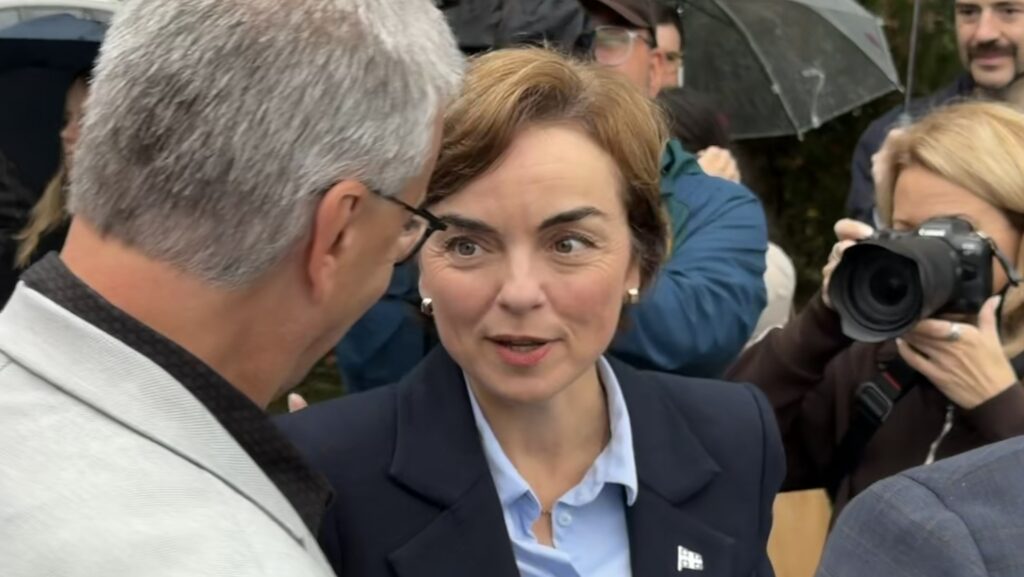

Quebecers will head to the polls on Monday to choose their next government.
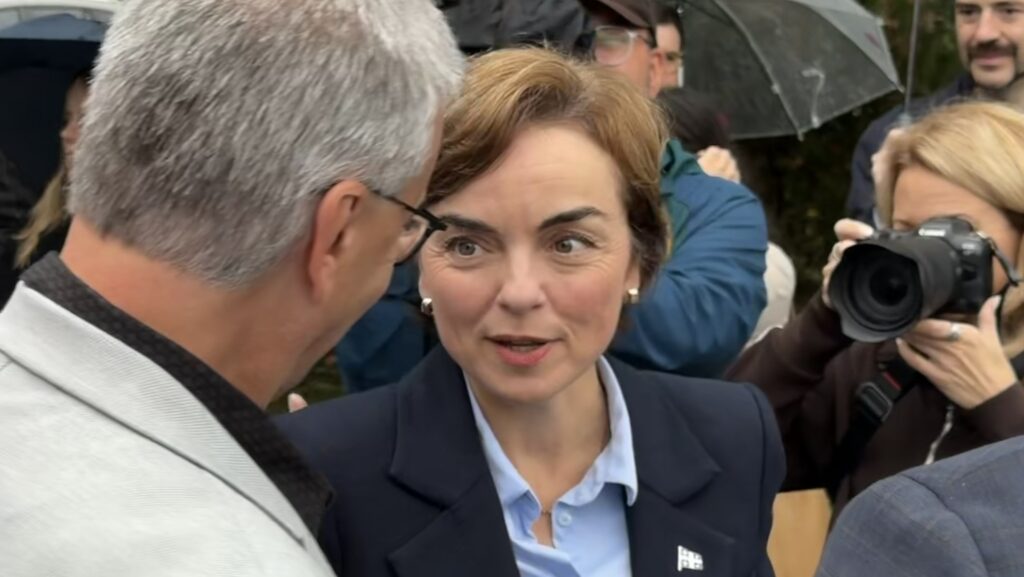
Christine Fréchette, the leader of Coalition Avenir Québec (CAQ), joined CityNews for a one-on-one interview to talk about what she’s doing to convince Quebecers to vote CAQ, her stance on sovereignty, and what a government under her leadership would look like.
Recent polling has put your party in fourth place, with some seat projections showing the CAQ potentially winning no seats. What’s your response, and ahead of Monday, what are you doing to reach voters?
I think the economic situation and discussion is very important, and Quebecers need to be aware of the consequences should the Parti Québécois get to power. They will want to organize a referendum, and that would be the worst-case scenario, to put in place a referendum initiative in 2029. And even though it would be in two-and-a-half years, it would be very bad news for the economy, and so we are explaining that Quebecers need to take that into consideration before expressing their vote.
We will be quite connected to Quebecers’ priorities. For example, we need to work on the cost of living, and we have a lot of suggestions to tackle that and to protect our businesses and our workers. These are our two main priorities, as well as protecting our language and identity and also improving public services.
You talk about a referendum, and throughout this campaign you’ve been asked repeatedly whether you are a federalist or a separatist. Where exactly do you stand on this?
We work to increase the power of Quebec within Canada, so we want to stay within Canada, and this is important, especially in the current context, and we work closely with the federal government. We have had many agreements with the government of Mr. Carney, and it is important to do so, especially in the current context, and it will be done in the future as well because I don’t see any possibility that the North American agreement would be signed in the short term. I don’t think it’s going to be what we will see, unfortunately, so we need to unite ourselves, and this is what we do.
What is your message to anglophones in this election who feel overlooked by your party and let down by your government, especially in light of the French-only voter information cards?
We want to work with English-speaking community, work closely with them. We have a long-term collaboration and relationship, and we want to respect the English community’s language rights, linguistic rights and rights for services in their own language, and so this is my commitment to them. We need to recognize the efforts that the English-speaking community has made and the advancements they have generated and triggered in Quebec, in the metropolitan area or the academic area, for example, and this is something that I want to cherish and go forward with.
You’re the former immigration minister for Quebec. What would immigration in the province look like under your leadership?
It is important for me to address the immigration policies with a lot of empathy and knowledge of the fact that we work with people who have left all behind in order to integrate themselves into Quebec society, and it will be important for us to respect our threshold for the permanent immigration, which is 45,000 people. And I need to underline the fact that the Parti Québécois wants to have a threshold of only 35,000 people, which would be a disaster for the SMEs in the regions in Quebec, and we need to address the needs for more housing, for example, because immigrants, they want to look for available housing at a low price. And we need to work on that, we need to integrate them and we need to give them French lessons, and we’ve done so. We have tripled the number of people who have had the French lessons in the last years, and this is something that is important for us to help people integrate into Quebec society.
You’ve now rebranded the CAQ under the banner of Équipe Christine Fréchette, and since taking over from François Legault, you’ve tried to distinguish yourself from his government. What is different about your party under your leadership?
In fact, I’m from another generation. This is one thing. I have a different type of leadership. I like to unite and collaborate and consult before acting, and I’ve shown during the last five months that I can be effective because we’ve had a lot of bills that we adopted and a lot of initiatives that we have put forward, a lot of agreements also, five agreements with the federal government, and agreements with the physicians. We have worked with Newfoundland Labrador in order to settle the 50 years agreement for energy security for Quebecers, and therefore I’ve proved myself, I think. I’ve been tested, and people can see that I can manage the government in an effective way, and I hope that people will give me their confidence in order for us to pursue our road together.

Add CityNews Montreal as a trusted source on Google to see more local stories from us.
